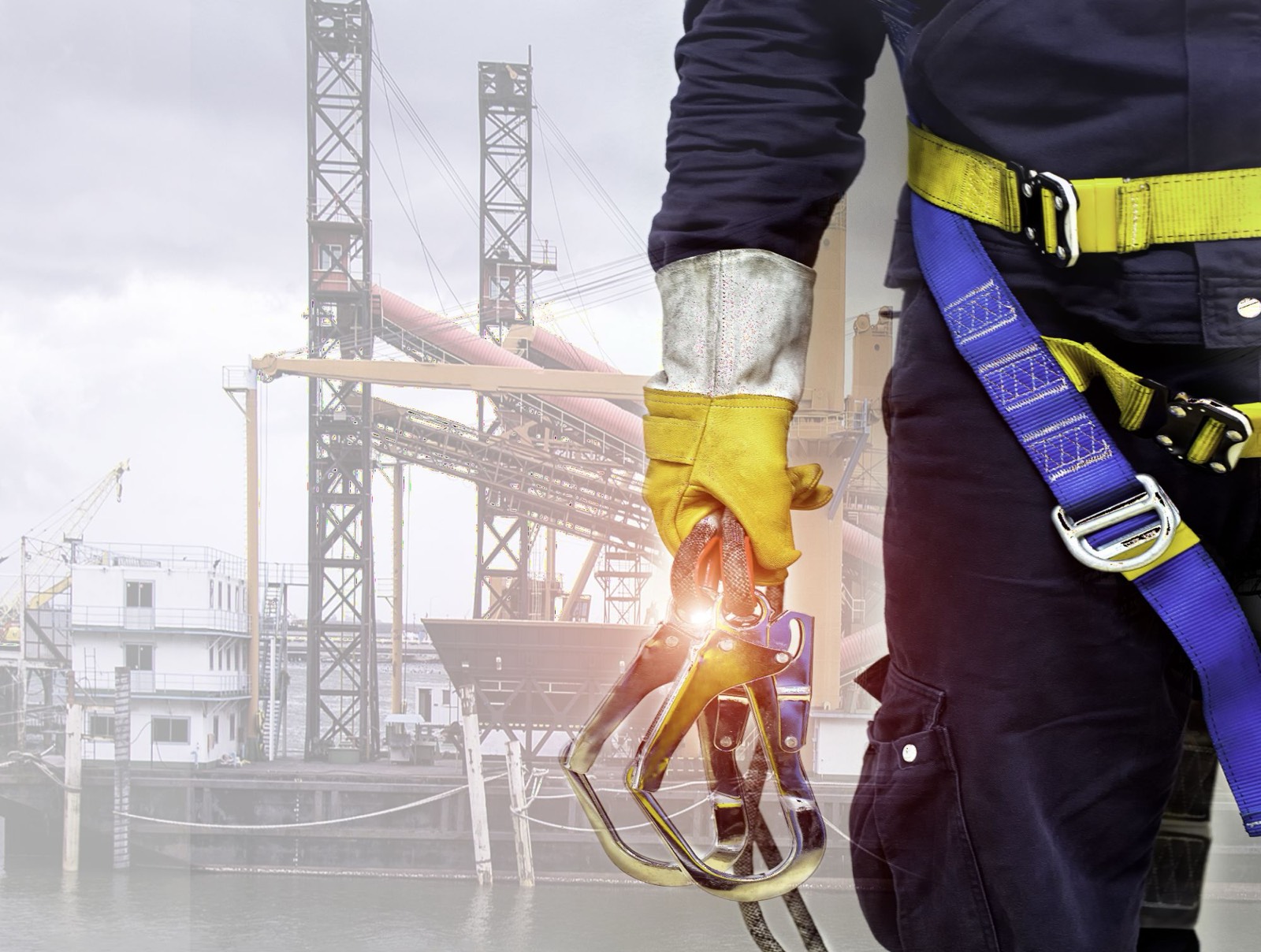
A worker in a safety harness holding two carabiners at an industrial site

Fall Protection

1day

Duration

3year

Validity

$250

Price

Most people show up to fall protection training expecting to sit through a day of slides. That is not how this one runs.

The course is hands-on. You fit a harness. You inspect gear and decide whether it is safe to use. You calculate whether a worker would hit the ground before the system stopped them. By the end of the day you have done the things the job actually asks of you, with your own hands.

The course is built on the BC OHS Regulation and it is competency based. You pass it by showing you can do the work, not by sitting in the room long enough.

Who Needs This

If you work at height, the regulation decides this

If you work at height, the regulation decides this for you, not your employer and not your own judgment about whether you feel safe.

BC OHS Regulation Part 11 sets out when fall protection is required. The course covers that threshold directly, because most of the arguments on a jobsite come from people who are honestly unsure whether a given task crosses the line.

You also need to know which system to use once you are past that threshold. There are four fall protection systems recognised in BC, and they are not interchangeable. They sit in a hierarchy, and picking one lower down the list when a higher one was available is a finding waiting to happen. The course works through that order and why it exists.

Guardrails and control zones get the same treatment. A guardrail that does not meet the construction criteria is not a guardrail. A control zone without a safety monitor meeting the requirements is not a control zone. You leave knowing what makes each one count.

This is the course for anyone working at height. It is also the course a supervisor should take before they are responsible for deciding how a crew gets protected.

What You Leave With

What you will be able to do afterwards

The course is written against a list of specific learning objectives. Not themes. Things you can do when you walk out.

  • Inspect fall protection equipment and decide whether it is safe or unsafe
  • Fit a harness correctly and show all four points of adjustment
  • Work out freefall and clearance requirements for a real scenario
  • Identify anchor strength requirements, and read the rating off equipment in front of you
  • Find the maximum elongation information on a lanyard or self retracting device
  • Tell an acceptable connection from an unacceptable one, and explain why
  • Identify the hazards of suspension trauma and the methods of rescuing a suspended worker
  • Review a written fall protection plan against WorkSafeBC requirements and say what is missing

That last one matters more than it sounds. Plenty of workers have never read their own company's fall protection plan, let alone been asked whether it holds up.

What Is Covered

Module by module

01

Introduction

Ladder safety, and BC fall fatality statistics. The statistics are not there for atmosphere. You look at the average age and the average height of falls in BC and draw your own conclusions about what actually kills people in this province. It is rarely the dramatic height you would expect. You also pick your own learning goal for the day and we check at the end whether you got it answered.

02

Fall protection systems

Definitions, when fall protection is required, the four systems recognised in BC, and the hierarchy that orders them. Control zones, safety monitors and guardrail criteria.

03

Fall protection equipment

The ABCs of personal fall protection equipment, and the standards bodies WorkSafeBC recognises. Anchors, including the difference between temporary and permanent anchor selection and how to find the rating. Connectors, lanyards, self retracting lifelines, snap hooks and carabiners, and the CSA requirements for each. Harness classifications and user weight allowances, and what the four fitting adjustments are for. Then equipment inspection, with real gear, including damaged gear, where you sort safe from unsafe yourself.

04

Fall protection planning

Determining fall distances, which is where most people discover their clearance maths was wrong. Freefall distance and the maximum allowable. Suspension trauma and why a rescue plan measured in minutes is not a rescue plan. The hierarchy of fall rescue and the available rescue methods. A fall protection system setup activity. Then the written fall protection plan, which you critique against WorkSafeBC requirements.

Certification

What it takes to pass, and what you get

  • You have to participate, and you have to pass both the theory and the practical
  • The written exam requires 80 percent
  • Certification is valid for three years
  • Focused on the BC OHS Regulation
  • Your physical card is issued within four weeks
  • Replacement cards are $25 each
  • You also receive a hard hat decal on completion

Worth being clear about what the hard hat decal is and is not. It does not have your name on it, so it does not prove you took the training. It is a visual marker, nothing more. Keep your physical card on hand as your actual proof.

Before You Come

What you need, and what we bring

There are no prerequisites. You do not need prior training, a ticket, or any certification to take this course. If you work at height, or you are about to, you can take it. Participants must be 18 or older.

We bring all the equipment the training requires. Harnesses, lanyards, self retracting devices, anchors, connectors, and the damaged equipment used in the inspection module. You do not need to supply anything or pull working gear off your site.

Reviews

What students say

Languages

Course materials in Punjabi

Course materials are available in Punjabi.

One thing to be straight about before you book. The final exam is written, and it is written in the language of the materials. There is no verbal exam and we do not provide interpreters. If the instructor happens to be fluent in a participant's language, they can help explain what an exam question is asking, but that is the limit of it.

We would rather tell you that now than have someone show up and find out on the day.

How It Runs

Private classes, six people or more

This course runs in person, as a private class for your crew. Minimum six people.

Saying that plainly up front because it rules some people out. If you are one person looking for a seat on a scheduled public course, this is not that. If you have six or more people who need fall protection training, it is.

Running it privately means the class is built around your site. Your crew works with the anchors, the connectors and the access points they use every day, not a generic setup in a rented classroom. The scenarios in Module 4 use your work, so the fall distance calculations and the fall protection plan critique are about places your people actually go.

Tell us how many people you need trained and where, and we will come back with dates.

Prefer to talk? 800-210-2472

We run this course as a private class with a minimum of six people.

Common Questions

Frequently asked questions

What kind of equipment do we need to bring?

No equipment or special PPE is required.

Do you have a 1/2 day recertification course?

No.